 Guide to the Azores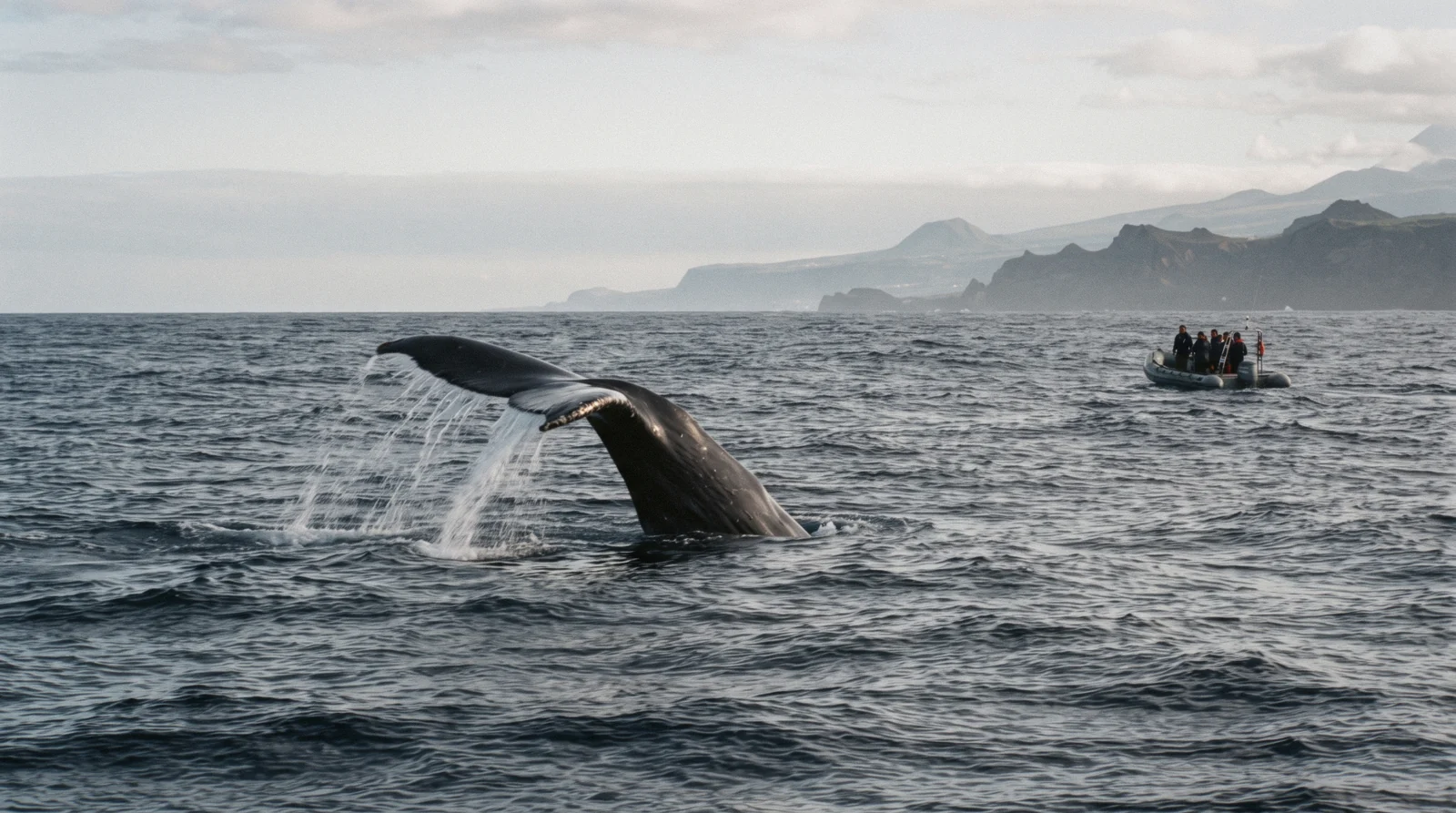
Whale Watching Azores: Seasons, Prices And The Law
Whale watching azores is a year-round activity in waters the tourism board calls one of the world's largest whale sanctuaries, and it is governed by a regional law with real fines for the boats that break it. The practical choice is really two departure coasts, the base island's south shore and the old whaling port of Lajes on Pico. This page prices every trip type from the booking platform and labels the swim products separately. Start with azores tours for the full tour menu and the Guide to the Azores for island context.
Quick answer Season, species, prices, and the law the boats answer to
Whale watching azores runs year-round, with sightings reported on 98% of trips and more than 20 cetacean species in the waters, about a third of all cetacean species. The residents are the common dolphin and the common bottlenose dolphin. Blue whales are easiest at the end of winter, spotted dolphins in summer, sperm and sei whales in summer. The standard 3-hour trip costs $80.35 from Ponta Delgada and the same from Lajes do Pico. Commercial watching is licensed under regional law 9/99/A, with fines from $286.50 (€250) to $45,840 (€40,000).
Key takeaways
- The default booking is the 3-hour trip from Ponta Delgada, 4.6 from 5,258 reviews, the most-reviewed tour on the island
- Pico's trip from the old whaling port is rated 4.9 from 976 reviews, reach it by the ferry triangle or a flight, never by ferry from Ponta Delgada
- The species-by-season calendar and the licensing detail sit on azores tours, the island context on the islands guide
Trips And Swim Products Compared
Every water product on this page priced from the booking platform's own listings, with the departure coast and the review base that separates them. Swim-with-dolphins products are listed but labelled as swims.
| Product | From | Run | Departure | Rating |
|---|---|---|---|---|
| Whale and dolphin watching | $80.35 | 3 hours | Ponta Delgada marina | 4.6 from 5,258 reviews |
| Whale watching | $80.35 | 3 hours | Lajes do Pico | 4.9 from 976 reviews |
| Swim-with-dolphins product | $133.16 | 3 hours | Vila Franca do Campo | 4.6 from 37 reviews |
| Full-day watch plus dolphin swim | $241.06 | 6 hours | Ponta Delgada | 4.4 from 29 reviews |
The two swim rows are a different category, a swim in open water beside dolphins rather than a watching trip, and the law treats both activities under the same regional licence. All prices above are the booking platform's own listing figures. in Q3 2026
Where The Boats Leave
The base island
-
Ponta Delgada marina
Year-round boats
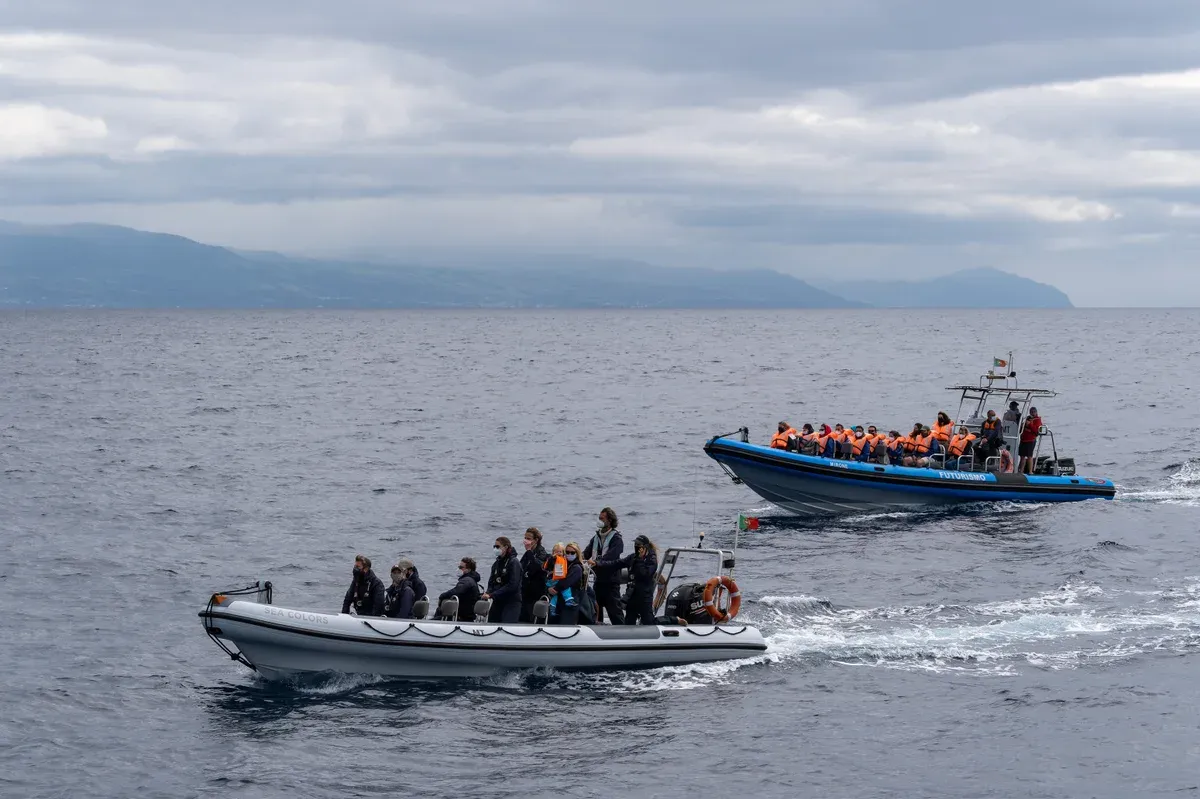
The marina in Ponta Delgada is minutes from the old town and the archipelago's busiest whale watching departure. Boats run all year, with a fleet big enough to keep slots open most mornings.
Tip: The 3-hour trip costs $80.35 and is rated 4.6 from 5,258 reviews, the most-reviewed departure on the water.
-
Vila Franca do Campo
Swim products
Vila Franca do Campo on the south coast is the departure point for the dolphin swim in open Atlantic water.
Tip: The swim product costs $133.16 for 3 hours. It is a swim with dolphins, not a whale watching trip.
The triangle, ferry or flight first
-
Lajes do Pico
Year-round boats
Lajes do Pico is the old whaling port on Pico's south coast, working the same deep water its whalers once rowed. Reach it by the Faial-Pico-São Jorge ferry triangle or a SATA flight.
Tip: The 3-hour trip costs $80.35 and carries a 4.9 rating from 976 reviews, the strongest on the water.
The far islands, official record only
-
Vila do Corvo
Seasonal boat trips
The island's official page mentions boat trips to see seabirds and marine life, dolphins and whales among them.
Tip: No platform listing exists for Corvo, so no price or schedule is printed here.
Numbers match the list — tap a pin for the guide.
The Season Calendar
The Constant: Any Month Works
There is no closed season. Watching is possible year-round and the 98% sighting rate is a full-year figure, not a summer one. The residents, common dolphins and common bottlenose dolphins, live in these waters in every month and are the reason any month works.
The tourism board calls these waters one of the world's largest whale sanctuaries.
The Migration Layer
The species mix shifts through the year. Blue whales are easiest at the end of winter on their northern passage. Spotted dolphins arrive in summer, and sperm whales and sei whales are summer animals.
The same stretch of water reads differently by month, so the animals you meet depend on when you go.
The Practical Layer
Morning departures get the calmer water as a rule of thumb. The sea surface runs a 17-25°C range across the year, coolest in March at about 16.6°C and warmest in August at about 24.9°C. No official page grades months for trips, so the calendar above is as official as the season gets.
What the official calendar names, month by month
The tourism board's own page names residents and seasons rather than months, so the calendar below is the full official detail. Anything finer, a specific week for a specific species, is not published by any official source.
| When | Species | What the official page says |
|---|---|---|
| All year | Common dolphin | Resident, the reason any month works |
| All year | Common bottlenose dolphin | Resident alongside the common dolphin |
| End of winter | Blue whales | Easiest to see at the end of winter |
| Summer | Spotted dolphins | Arrive in summer |
| Summer | Sperm whales | Summer animals in the deep water |
| Summer | Sei whales | Named with sperm whales for summer |
The Law The Boats Answer To
The Legal Basis
Commercial cetacean watching in the Azores is regulated by Decreto Legislativo Regional n.º 9/99/A of 22 March, amended by DLR n.º 10/2003/A. The law licenses operators, sets conduct rules around the animals and prices the offences, with fines from $286.50 (€250) to $45,840 (€40,000). The fines are not theatre, they are the enforcement layer of the conduct rules the same decree sets, the distance and approach behaviour the boats keep around the animals, and they run from $286.50 (€250) to $45,840 (€40,000) for the serious end. A passenger's part in all of it is simple, follow the crew's instructions about movement and noise, because the licence that protects the animals is the same one that makes the trip legal.
What It Means For The Customer
Book with a licensed operator and the licensing does part of your ethical work for you. The platform listings on this page are licensed commercial operators. The biologists or lookouts on board are part of the licence system, with lookouts scanning from shore to position the boats on the animals.
One Gap Worth Naming
No official page publishes the operator register in English. That is a real gap for visitors who want to verify a licence before booking, and this page does not pretend otherwise.
Two Departure Coasts, One Ferry Triangle
The Base Island Carries The Volume
São Miguel carries the volume. Departures leave the Ponta Delgada marina minutes from the old town, with the biggest review bases and the widest choice of boats in the archipelago. The 4.6-rated trip with 5,258 reviews is the most-reviewed tour on the island.
Pico Carries The Heritage
Lajes do Pico was a whaling port, and its boats work the same deep water south of the triangle. Its 4.9 rating from 976 reviews is the strongest on the water, and the whaling history gives the departure a weight São Miguel cannot copy. Read more on Pico and Faial.
Getting There Is The Logistics Test
The ferry triangle links Faial, Pico and São Jorge, with no Ponta Delgada port and no published static fares. If you base on São Miguel, the choices are a SATA or Azores Airlines flight to Pico, or a flight to Faial plus the short crossing. The full transport picture is on getting around.
A Pico base also puts the climb reservation on the table, and that is the one booking on the island that outranks the boats. The climb is reserved through the government portal with the price shown only inside its booking app, and the mountain closes in bad weather, so a whale day is the flexible half of a Pico stay rather than the fixed one. The island's vineyard landscape, a UNESCO listing since 2004, fills the hours the sea does not take, which is why the Pico version of this trip usually becomes a two-night stay rather than a day hop.
From Whaling To Watching
The End Of The Hunt
The whaling story has no complete official register in the sources this site works from. The regional moratorium is generally dated 1984 and the last whale caught 1987, dates that come from reference encyclopaedias rather than an official page, and they are labelled as such here. What replaced the hunt is the licensed watching fleet described above.
The Heirloom On Faial
The visible heirloom is on Faial, at the Scrimshaw Museum inside Peter Café Sport in Horta. The collection shows engraving on whale teeth and bone, an art born aboard New England whaling ships and continued ashore in the Azores. Entry costs $4.01 (€3.50) and the museum is closed Sundays.
More on Faial.
Booking And What To Take
Booking
Book days ahead in summer, when morning slots go first. The platform shows its own cancellation terms at checkout, so read them before paying. The standard trip runs about 3 hours.
What To Take
Three hours on open water is long enough to need sun protection and a layer, and the operator provides life jackets. The swim products carry separate age and health rules set by their operators, and this page prints no figures the operators do not publish. The full tour-type table is on azores tours.
Choosing between the two watching boats is mostly a base decision. The Ponta Delgada trip, #tour-16, wins on logistics, a marina departure beside the old town, the biggest review base on the island at 5,258, and a 4.6 rating that holds across thousands of trips rather than a handful. The Lajes do Pico trip, #tour-17, wins on rating and story, 4.9 from 976 reviews out of the old whaling port, and the same 3 hours at the same $80.35, but it only makes sense once you are on Pico or Faial, because the crossing from the base island does not exist.
Book whichever coast your bed is on.
The Four Water Products, Labelled Honestly
Two watching trips and two swim products, each labelled for what it is. Prices and ratings are the platform's own.
 from $80.35
#1 selling water activity
from $80.35
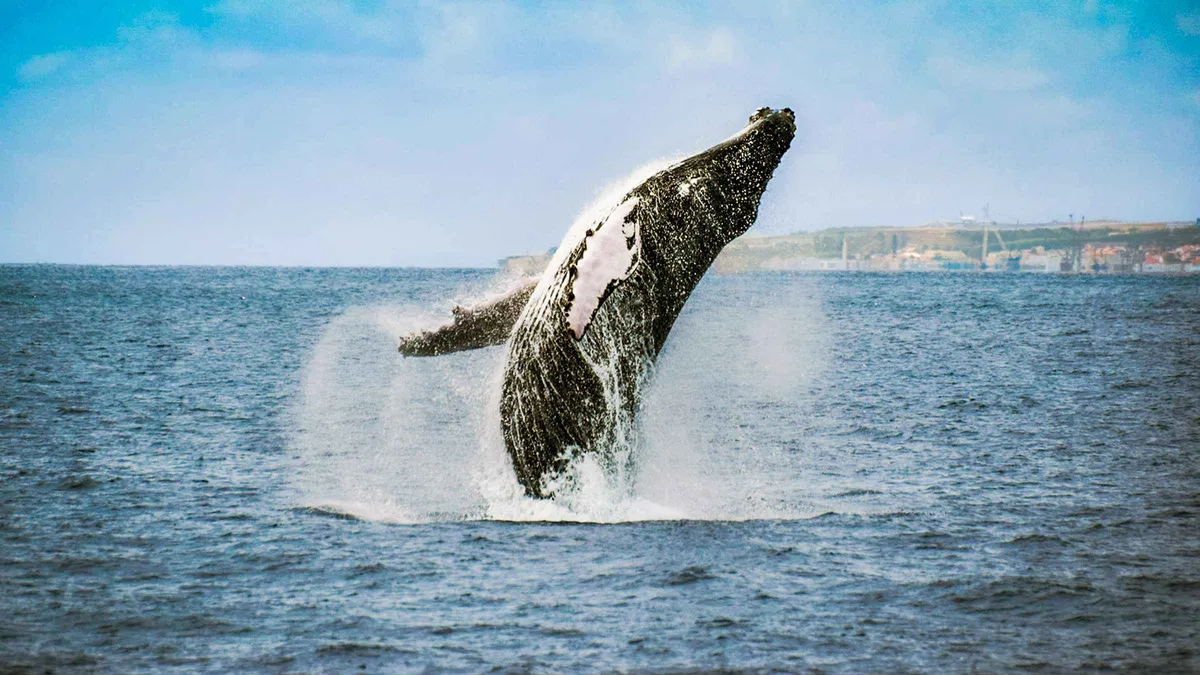
#1 selling water activity From Ponta Delgada: Whale and Dolphin Watching Trip
A three-hour whale and dolphin watching trip out of Ponta Delgada on the lookout for minke whales, dolphins and turtles, and the listing's top-selling water activity in the Azores. Good for travelers who want the classic whale watching trip at the island's most accessible price point.
Check Availability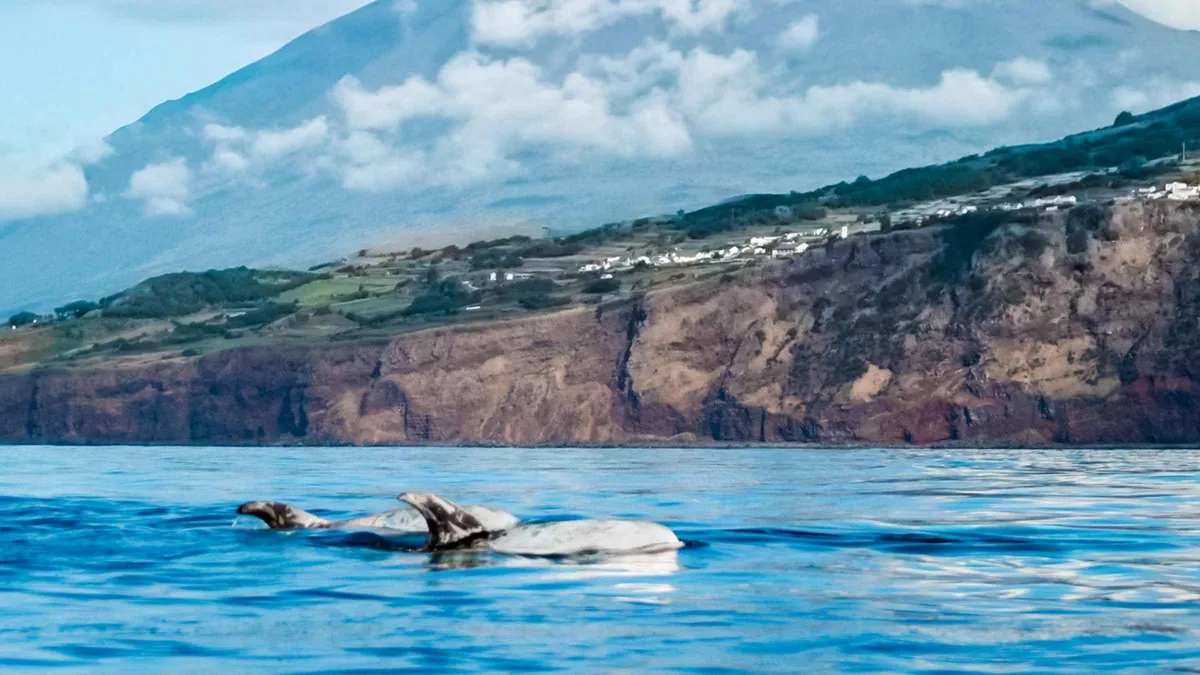 from $80.35
Pico Island: Whale Watching Experience from Lajes do Pico
A guided zodiac whale watching trip from Lajes do Pico with certified nature guides and marine biologists on board. Children under eight, pregnant travelers and people with back or heart problems are not admitted, and departures depend on weather and sea conditions. Good for travelers staying on Pico who want whale watching with expert eyes on board.
Check Availability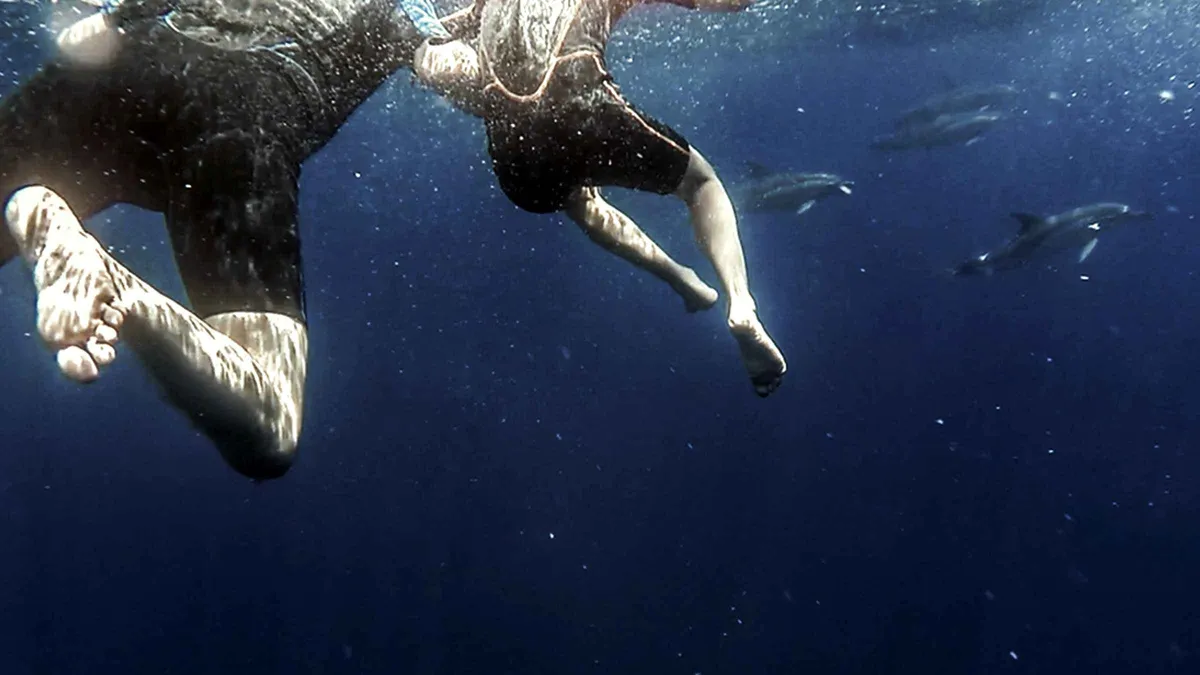 from $133.16
Small group
from $133.16
Small group Azores: Atlantic Dolphin Swimming Experience
A three-hour swim with wild Atlantic dolphins run by biologist guides from Vila Franca do Campo, with neoprene gear, a briefing on responsible practice, and lookouts on land directing the boat by radio. Children under four, pregnant travelers and those with back problems are excluded. Good for confident swimmers who want dolphins in the wild rather than in a pool.
Check Availability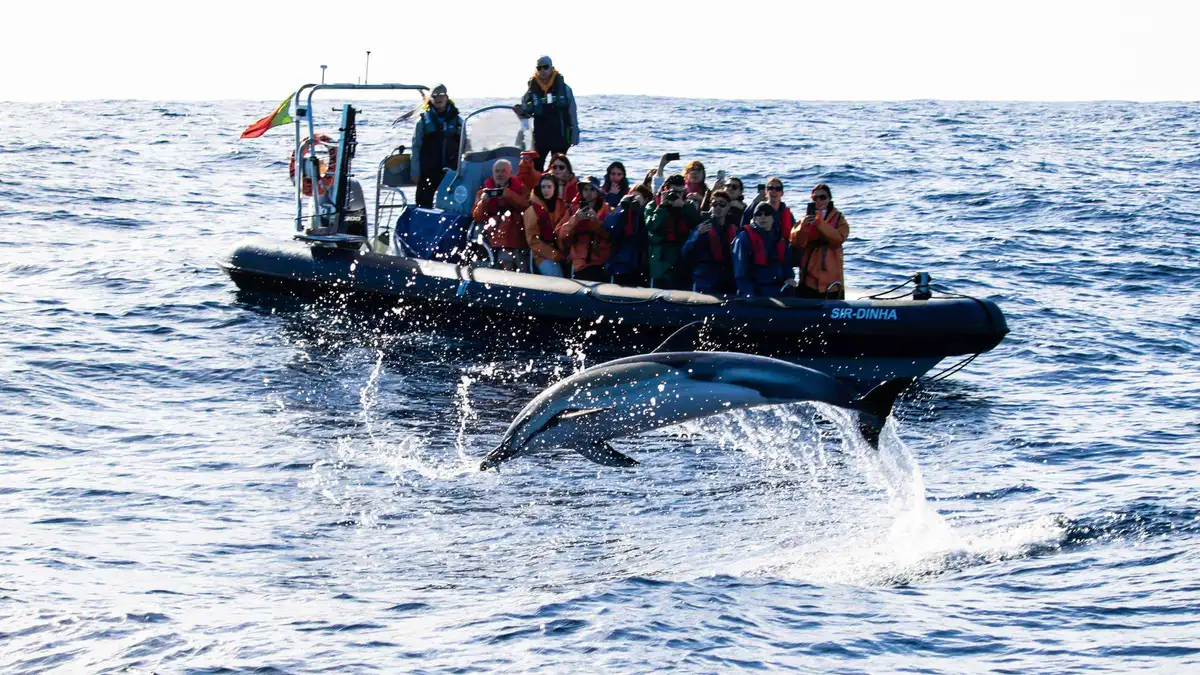 from $241.06
Small group
from $241.06
Small group São Miguel: Whale Watching & Wild Dolphins Swimming Full-day
A full-day combo that starts with a biologist-led whale watching trip, pauses for a picnic lunch at the marina, then moves to a supervised open-water swim with dolphins, capped at eight. Children under 12, pregnant travelers and people with back or heart problems are excluded. Good for travelers who want both experiences in one day and accept the weather risk.
Check AvailabilityPrices, ratings and details are the platform's own. dollar figures are the listed prices — the platform bills in your account's currency.
Where The Boats Leave From
The two working coasts and the far-island mention.
Where To Go Next
The tour menu
All typesThe island hop
Ferries and flightsThe base island sights
On landThe plan
DaysWhale Watching Azores: Questions
When is the whale watching season in the Azores?
There is no closed season. Boats run year-round and sightings are reported on 98% of trips in any month. Blue whales are easiest at the end of winter and spotted dolphins in summer. The default booking is the 3-hour trip from Ponta Delgada, and the month-by-month climate is on azores weather.
Which island is best for whale watching?
São Miguel is best for choice, with the biggest fleet and review base at the Ponta Delgada marina. Pico is best for the rating and the whaling heritage, reached by the ferry triangle or a flight. The two options are compared on Pico and the transport detail on getting around.
What whales and dolphins can you see?
More than 20 cetacean species occur in these waters, about a third of all cetacean species. The residents are common dolphins and common bottlenose dolphins, sperm whales and sei whales are summer animals, and blue whales pass at the end of winter. The island-by-island picture is on the islands guide.
Can you swim with dolphins in the Azores?
Yes, as a licensed swim product in open water. The 3-hour Atlantic dolphin swimming experience from Vila Franca do Campo costs $133.16 and is biologist-guided. It is a swim, not a whale watching trip, and this page labels it that way.
Is whale watching in the Azores ethical?
The honest answer is that it is regulated. A regional law licenses operators, sets conduct rules around the animals and prices the offences with fines up to $45,840 (€40,000), with shore-based lookouts positioning the boats. Book licensed trips such as those on azores tours.
Can you whale watch from Corvo or Flores?
The official record mentions boat trips from Corvo that show seabirds and marine life, dolphins and whales among them. No platform trips are listed for either island, so no price or schedule can be printed. The Corvo detail is on Corvo.
Whale Watching Azores On Film
Whale Watching Azores Islands
A licensed operator's own footage of a typical trip, the closest preview to the product.
Video: Azores Whale Watching TERRA AZULWhale watching, Azores, Pico and Sao Miguel
Both departure coasts in one video, matching the two-coast structure above.
Video: Hike For HappinessMy Week as a Whale Scientist in the Azores
The research side of the sanctuary, useful on the licensing and conduct themes.
Video: Alice FordVideos load from YouTube only when you press play.
Prices, hours and terms are set by the venue or operator and confirmed at checkout.
We may earn a commission if you book through one of our links, at no extra cost to you. Full affiliate disclosure